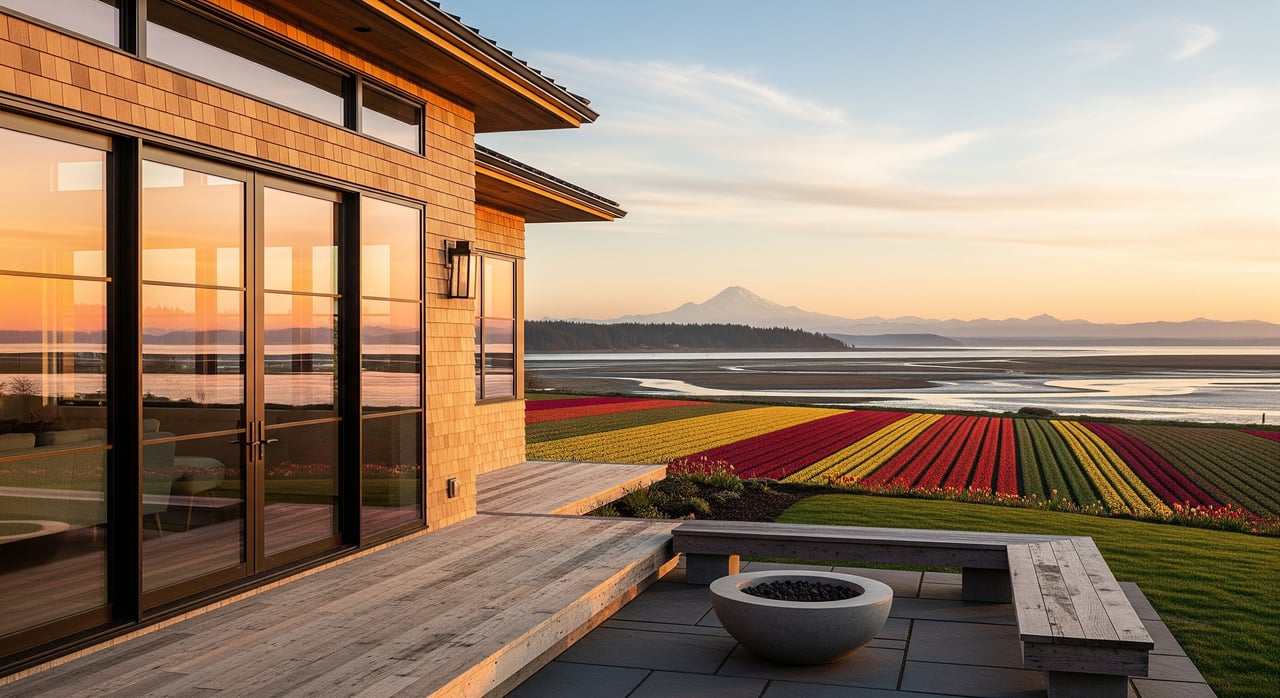
Thinking about moving to Skagit County but not sure where to start? You want room to breathe, reliable commutes, and a home that fits your lifestyle and budget. This guide gives you the local context you need plus a clear plan to make your move smooth over the next 3 to 9 months. You will learn where to focus your home search, how to plan for commuting, which inspections and permits to expect, and how to line up utilities and movers. Let’s dive in.
Skagit overview and fit
Skagit County sits between Snohomish and Whatcom counties in northwest Washington. It is part of the Seattle–Bellevue–Everett region, but it feels more rural and small town. You will find single-family homes in town, waterfront options around Anacortes and Skagit Bay, and rural acreage and farm parcels across the valley.
Before you choose a neighborhood, list your top needs. Common filters include commute time, school district boundaries, property type, access to hospitals and shopping, and seasonal livability. Winter access and summer tourism can affect how an area feels week to week.
Mount Vernon
Mount Vernon is the county seat with county services, a major hospital presence, and the broadest set of amenities. It offers a suburban feel with quick I-5 access and a mix of housing options. Many buyers choose Mount Vernon for a balance of convenience and community.
Burlington
Burlington centers on retail and I-5 access. It is a practical choice for commuters who want quick highway connections and park-and-ride options. Expect commercial corridors and established neighborhoods near daily conveniences.
Anacortes
Anacortes offers island living with ferry access to the San Juans and a strong maritime and recreation focus. Waterfront pockets can be pricier and tourism adds seasonal energy. If you value trail access and boating, Anacortes is worth a look.
Sedro-Woolley
Sedro-Woolley has an industrial history and typically more affordable housing inventory. It gives you access to SR-20 heading east toward the Cascades. If you want value plus small-town pace, this area fits many buyers.
La Conner and rural west
La Conner is a historic waterfront town with a charming downtown and a tourism profile. It offers a quieter pace and limited year-round services compared to larger towns. Rural west county areas nearby deliver country living and scenic drives.
Rural acreage and farms
Rural parcels vary widely in access, utilities, and zoning. Many rely on private wells and septic systems. If you plan to garden, farm, or keep animals, verify zoning, water, and any conservation or agricultural easements early in your search.
Commute and transit basics
Commuting shapes daily life in Skagit County. The main north–south route is I-5 with chokepoints near interchanges during peak hours. SR-20 runs east–west through Sedro-Woolley and ties into the Cascade foothills and agricultural areas.
Routes and transit modes
- I-5 is the primary corridor to Snohomish and King counties.
- Amtrak Cascades stops in Mount Vernon and offers service to Seattle and points north.
- Skagit Transit runs local and commuter routes with park-and-ride options that connect to regional services.
- Anacortes ferries serve the San Juan Islands. There is no frequent direct ferry to Seattle from Anacortes.
Realistic commute expectations
- To Everett or northern Snohomish County, many plan for 30 to 60 minutes or more depending on time and origin.
- To Seattle or King County, 60 to 90 minutes or more is common in peak periods. I-5 incidents can create significant variability.
- Trains and timed buses can reduce stress if your schedule allows. Hybrid work adds flexibility, but plan for days on the road.
Smart commute planning
- Do a timed test drive from target neighborhoods to your workplace at commute hours.
- Visit park-and-ride lots and train stations to see real parking and transfer conditions.
- Note seasonal factors. Summer tourism and harvest traffic can slow certain corridors.
- If ferries factor into your life, review schedules and typical wait times in peak seasons.
Inspections and permits to plan
Skagit County’s mix of town, shoreline, and rural properties means inspections vary by home and location. Build a plan with your agent so the right specialists are scheduled within contingency windows.
Common inspections
- General home and structural inspection
- Pest and wood-destroying organism inspection
- Roof inspection, especially for older roofs in heavy rain areas
- HVAC and chimney or wood-stove inspection
- Radon testing
- Sewer scope for older lines
- Septic system inspection and permit review
- Well inspection and water quality testing
- Floodplain review and elevation certificate if applicable
- Survey or boundary work for acreage or waterfront
- Environmental assessments for former industrial, agricultural, or timber properties
- Shoreline and critical area review for near-water properties
County records to check
- Septic records and transfer requirements through Skagit County Public Health
- Permits, zoning, shoreline management, and critical areas through Planning and Development Services
- Property tax and assessed improvements through the Assessor
- Well logs and water quality resources through state agencies
- Flood maps through FEMA for levee or dike areas
- Recorded easements, covenants, and deed restrictions through the County Recorder
Skagit-specific issues
- Septic and wells: Many rural homes use private systems. Transfer rules and upgrades can add time and cost.
- Floodplain and levees: Some areas sit on floodplains and rely on dikes or levees. Confirm maps and any diking district responsibilities.
- Agricultural operations: Right-to-farm protections are common. Expect seasonal noise, dust, odors, and possible spray activity near working farms.
- Shoreline rules: Waterfront homes may have shoreline permits and setback rules. Consider erosion and sea level concerns.
- Timber and older structures: Check for timber harvest history and consider specialist inspections for older building materials and systems.
Timing and costs
- Schedule the general inspection immediately after offer acceptance. Order septic, well, sewer scope, and radon at the same time.
- Rural and acreage purchases often need extra time for surveys, water rights records, and conservation easement review.
- Budget several hundred dollars for a general inspection and additional fees for septic, well testing, sewer scopes, and environmental work.
- If issues arise, leave time for contractor bids and any permit lead time before closing.
Utilities and internet setup
Utility providers vary by city, district, and neighborhood. Start early to avoid gaps in service.
Power, gas, water, sewer
- Expect a patchwork of municipal utilities in cities and special districts in county areas. Some areas use investor-owned utilities.
- Many rural properties rely on private wells and septic rather than public water and sewer.
- Trash and recycling can be municipal or private haulers depending on location. Check city public works or county solid waste resources.
Internet and cell coverage
- Broadband availability ranges from cable and fiber in town centers to fixed wireless or satellite in rural areas.
- Check address-level availability with providers and review FCC maps. Ask about real-world reliability and mobile carrier coverage if you work remotely.
Setup timelines and tips
- Contact power, gas, water, and trash providers 2 to 4 weeks before your move.
- Schedule internet installation 2 to 6 weeks ahead. Rural installs can take longer if service must be extended.
- For wells and septic, plan inspections and set a maintenance schedule since there is no public transfer of service.
Movers and relocation logistics
Your move plan should match your timeline, budget, and closing date. Decide early whether to hire a mover, rent a truck, or use a container service.
Choosing a mover
- For long-distance moves, select a licensed interstate mover and get written estimates. Confirm valuation coverage and insurance in writing.
- Compare multiple local quotes for in-county moves. Verify licensing and insurance for the move type.
- If you need storage, confirm availability in Mount Vernon, Burlington, or Anacortes and align it with your closing schedule.
Local factors to consider
- Winter road conditions can affect move timing in higher elevations east of I-5.
- If your new home involves ferry travel for any reason, build in reservation windows and peak-season wait times.
- Provide movers with clear access instructions, gate codes, and parking or loading rules.
What to schedule early
- Utility transfers and meter reads
- Internet installation
- USPS change of address
- Medical record transfers and new provider registration
- School enrollment and records transfer
Your 3–9 month checklist
Use this as a starting point. Condense for a 3-month move or spread tasks across 6 to 9 months.
9–6 months out
- Define non-negotiables: commute limits, school needs, acreage or water needs, and budget.
- Research towns and districts to narrow your search.
- Review current market dynamics for target towns.
- Start mortgage pre-approval.
- Plan a reconnaissance visit to tour neighborhoods and drive commutes at peak times.
- Compile a document list for loans, IDs, vehicles, and pets.
6–4 months out
- Choose a local buyer’s agent experienced with Skagit wells, septic, and floodplain issues.
- Begin touring homes on-site or with virtual options.
- Prepare offer strategies and inspection timelines.
- For rural or agricultural purchases, start records searches on septic permits, well logs, and easements.
- Gather moving estimates and compare options.
- For school-age children, contact the district for enrollment timelines and boundary rules.
3–2 months out
- If under contract, schedule the general inspection and order septic, well, sewer scope, and radon tests.
- Request seller disclosures, permits, utility bills, and any HOA documents.
- Work with your lender to keep appraisal and underwriting on schedule.
- Book movers or reserve your truck or container based on the projected closing date.
- Start a purge-and-pack plan.
1 month out
- Confirm closing and moving dates.
- Confirm mover arrival times and storage if needed.
- Schedule utility shutoff at your current home and start dates at the new address.
- Submit USPS address change and notify banks, employer, insurers, medical providers, and schools.
- Gather travel copies of closing documents, IDs, insurance, and medical and veterinary records.
- Plan your driving route and any ferry reservations if relevant.
2 weeks out
- Schedule the final walkthrough.
- Confirm homeowners insurance start date and add flood coverage if required.
- Finalize packing and decide what stays with you versus the movers.
- Confirm pet transport and veterinary paperwork.
Move week
- Complete the final walkthrough and verify agreed repairs.
- Close with escrow and title and coordinate any wire transfers.
- Transfer utilities to your name and record meter reads if possible.
- Provide movers with access details and contacts.
First month after move
- Register vehicles and obtain a Washington driver’s license based on current state rules.
- Enroll kids in school and transfer medical and dental records.
- Check septic and well performance and schedule any needed maintenance.
- Meet neighbors, locate nearby services, and confirm mail forwarding.
- Close out old utility accounts.
Documents to collect early
- Seller disclosure statement
- Title report and recorded easements
- Septic permits, maintenance records, and as-built drawings
- Well logs and recent water test results
- Building permits and records for additions or renovations
- Flood elevation certificates if available
- HOA covenants and meeting minutes if applicable
- Tax statements and special assessments
Make your move with local help
You do not have to figure this out alone. Work with a hands-on local team that understands Skagit County’s mix of town, shoreline, and rural properties. From narrowing neighborhoods and timing your commute tests to coordinating inspections, permits, and move logistics, you can move with clarity and confidence. Ready to plan your move timeline and touring strategy? Connect with the Flannery Group to schedule a local market consult.
FAQs
What towns are best for commuting in Skagit County?
- Areas near I-5 like Mount Vernon and Burlington tend to offer the most direct highway access and park-and-ride options.
How long is the commute from Skagit County to Seattle?
- Many commuters plan for 60 to 90 minutes or more during peak hours, with variability from traffic and incidents.
Do most rural homes have septic and wells in Skagit?
- Yes, many rural and semi-rural properties use private septic systems and wells, which require inspections and ongoing maintenance.
What inspections are essential for a Skagit home purchase?
- A general inspection plus septic, well, sewer scope, radon, and any needed roof, HVAC, or chimney checks are commonly recommended.
Are there floodplain concerns in Skagit County?
- Some areas sit on floodplains and rely on dikes or levees, so it is important to review FEMA flood maps and any elevation certificates.
Is broadband internet reliable in rural Skagit areas?
- It varies by address, with cable or fiber more common in town and fixed wireless or satellite serving some rural locations.
How early should I set up utilities and internet for my move?
- Start utility transfers 2 to 4 weeks ahead and schedule internet 2 to 6 weeks ahead, allowing more time in rural areas.