Imagine stepping out your door and choosing between a quiet shoreline stroll, a coffee at a local café, or a quick hop on the train for a weekend escape. If you want a low‑maintenance home that keeps your daily needs within a few blocks, Fairhaven can fit your lifestyle. In this guide, you’ll learn what walkable condo and townhome living looks like here, what types of homes and amenities you can expect, current price context, and a clear checklist to buy with confidence. Let’s dive in.
Why Fairhaven works without a car
Historic core built for walking
Fairhaven is Bellingham’s historic village on the south side, with a compact grid of brick storefronts, small blocks, and a waterfront orientation that encourage walking. The area is recognized as the Fairhaven Historic District, which preserves much of its late‑19th and early‑20th century character. That historic scale still shapes how you move through the neighborhood today. You can read about the district’s design and preservation context on the City of Bellingham’s page for the Fairhaven Historic District.
Daily errands on foot
Fairhaven earns neighborhood Walk Score measures in the mid‑80s, which classifies it as Very Walkable. In everyday terms, that means most errands can be done on foot, from grabbing a book or pastry to meeting friends for dinner. The commercial heart sits around the Village Green, where independent anchors like Village Books and a cluster of cafés and restaurants keep your routines close. Check the neighborhood’s rating on the Walk Score page for Fairhaven.
Trails, parks, and the waterfront
If you like to walk or bike, Fairhaven connects you to a scenic network of paths. The Interurban Trail links Fairhaven east toward parkland and the Chuckanut area, while waterfront connections run north toward Boulevard Park and into downtown Bellingham. Marine Park and Boulevard Park are both a short walk from the commercial core and are popular for shoreline walks and sunset views. Explore the trail system context on the Interurban Trail overview.
Transit and regional access on foot
You have frequent local transit along the Harris and 10th Street corridor, with WTA Route 1 serving Fairhaven and downtown. For regional trips, Fairhaven Station offers Amtrak and long‑distance bus options, and the Bellingham Cruise Terminal is in the same hub. If you travel often, the Port of Bellingham operates convenient long‑term parking near the terminal, which makes it easier to lock your door and go. For local route details, see this community guide to WTA Route 1.
What you can buy in Fairhaven
Condos and townhomes: the typical mix
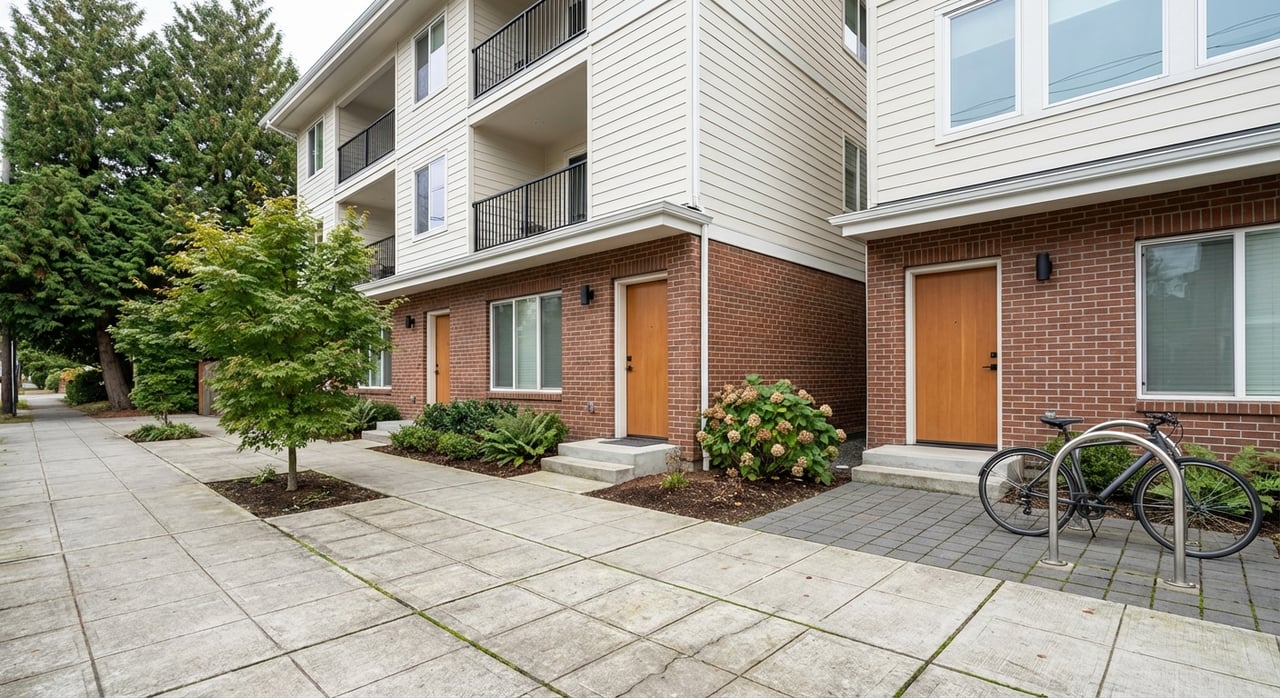
In the village core you’ll mostly find studio and 1–2 bedroom condos in small low‑ to mid‑rise buildings, plus a limited number of attached townhomes and newer mixed‑use infill. Many buildings date from the 2000s or are modern conversions, and common features include secure entry, assigned parking, in‑unit laundry, and elevator access in some buildings. Select units offer balconies or west‑facing views toward the bay. Representative listings near the Village Green highlight this mix and the walkable lifestyle, such as a studio at 960 Harris Ave Unit 307 that advertised a modest HOA fee and 2005 construction details. You can see an example of these features in this representative listing.
Price snapshot and inventory context
As of late 2025 to early 2026, neighborhood snapshots showed a median listing price around 649,000 dollars and a median sale price near 650,000 dollars. Inventory in the historic core is typically limited, with only a handful of active listings at a time. That means timing and preparation matter. Expect pricing and availability to change quickly, and plan to verify current numbers when you are ready to tour.
Who this lifestyle fits
- Downsizers who want fewer chores and easy access to everyday needs.
- Professionals and hybrid commuters who value cafés, transit, and a short walk to meetings.
- Second‑home owners who want secure, low‑maintenance living with simple travel logistics.
- Active residents who want daily shoreline walks, bike rides, and nearby parks.
Costs to expect
HOA dues vary widely by building and services. Sample Fairhaven listings show monthly dues ranging from the low hundreds to several hundreds, depending on amenities, parking, and whether some utilities are included. For example, one building showed fees around the mid‑400s per month, while others were closer to the low‑200s. Review the specific budget and inclusions for each building and unit you consider, and refer to real listing examples like the 960 Harris Ave unit noted above for a representative HOA snapshot.
Insurance and your coverage gap
Your HOA’s master policy usually covers common elements, while you carry an owner’s policy for your interiors and personal property. In Washington, many condo and HOA communities fall under the Washington Uniform Common Interest Ownership Act, which governs disclosures and operations. Ask for the association’s insurance summary and governing documents, and learn more about the framework at WUCIOA.
Parking, storage, and EV readiness
Assigned parking is common, but the setup varies by building and unit. Confirm how many stalls you get, whether there is guest parking, the location and size of storage, and if the HOA allows EV charger installations. These details can be decisive in a compact, high‑demand core.
Due diligence checklist for buyers
Before you write an offer, work through these items so you know exactly what you are buying:
- Verify current pricing, days on market, and comparable sales for your target building and unit size. With limited inventory, the right comp data helps you move quickly and confidently.
- Request complete HOA documents: declaration/CC&Rs, bylaws, current budget, reserve study, insurance summary, and recent minutes. Washington’s condo and HOA rules under WUCIOA make accurate disclosures essential.
- Review reserves and any special assessments. Look for evidence of deferred maintenance or planned projects that could change your holding costs over the next few years.
- Check flood and coastal risk for waterfront or near‑shore properties using NOAA’s Sea Level Rise Viewer. Ask for the building’s elevation info and flood insurance history if applicable.
- Confirm rental rules. Bellingham requires registration for most rental units and periodic safety inspections. If you plan to rent, review the city’s Rental Registration & Safety Inspection Program and your HOA’s rental policies.
- Understand parking, storage, and access rules. Confirm your assigned stall, any guest parking limits, bike storage availability, and how building access and deliveries work.
- Watch for short‑term construction impacts. Recent waterfront work has caused temporary parking closures and trail detours that can affect walkability in the short run. Keep an eye on local reporting, such as this Cascadia Daily News overview of recent changes to waterfront paths, including South Bay Trail notes: Walking on Water in Fairhaven.
- Consider historic‑district context if you prefer new construction or exterior updates. In the village core, projects are influenced by the city’s preservation policies for the Fairhaven Historic District.
- Plan travel logistics if you will be in and out of town. The Port of Bellingham manages long‑term parking at the terminal area, which is helpful for second‑home owners and frequent travelers.
A day in the life
Picture an easy walk to coffee, a few minutes to a waterfront bench for fresh air, then errands like the bank or a bookstore without starting the car. Midday, grab lunch with a colleague near the Village Green and take a quick meeting on a bench in the sun. In the evening, watch the sunset at Marine Park or Boulevard Park, then head to dinner on Harris Avenue. The compact street grid and trail connections make it simple to mix daily routines with shoreline time.
Getting around without stress
WTA’s Route 1 runs along the Harris and 10th Street corridor, giving you frequent service to downtown and beyond. When you need a farther trip, you can walk to Fairhaven Station for Amtrak or long‑distance bus connections. If you own a second home or travel often, long‑term terminal parking keeps the logistics simple so you can go car‑free most days.
Tips to compete in a low‑inventory market
- Get pre‑approved and clarify your must‑haves vs. nice‑to‑haves. Small buildings mean fewer units at any given time.
- Preview HOA documents early. Strong reserves and clear maintenance plans improve peace of mind and financing options.
- Be flexible on floor plans and finishes. In a historic district with varied buildings, great walkability sometimes outweighs a specific layout wish.
- Understand view premiums and resale dynamics. Bay outlooks, elevator access, and parking can influence long‑term value.
- Budget for the whole picture. Include HOA dues, potential special assessments, condo insurance, and any flood coverage in your monthly plan.
Ready to explore Fairhaven’s walkable condo and townhome options, compare buildings, and get a grounded read on pricing and HOA health? Reach out to the Flannery Group to schedule a local market consult.
FAQs
Is Fairhaven walkable for daily life?
- Yes. The neighborhood posts Walk Score measures in the mid‑80s, which is classified as Very Walkable, and most errands can be done on foot in the compact village core.
What types of condos and townhomes are common in Fairhaven?
- You will mostly see studio and 1–2 bedroom condos in small low‑ to mid‑rise buildings, with some attached townhomes and newer mixed‑use infill, often featuring secure entry, assigned parking, and occasional bay views.
How much do Fairhaven condos and townhomes cost right now?
- Recent neighborhood snapshots showed a median listing price around 649,000 dollars and a median sale price near 650,000 dollars, with limited active inventory; verify current data before you tour.
What should I review in a condo HOA before buying in Fairhaven?
- Request CC&Rs, bylaws, budget, reserve study, insurance summary, and recent minutes, and understand how the community operates under Washington’s WUCIOA framework.
Are waterfront condos in Fairhaven at flood risk?
- It depends on the site. Use NOAA’s Sea Level Rise Viewer and FEMA resources to check flood exposure, and ask for building elevation information and any flood insurance history.