Thinking about a move to Bellingham but not sure what daily life feels like here? You’re not alone. Many buyers weigh the promise of coastal views and mountain access against housing options, commute patterns, and the pace of a university town. In this guide, you’ll learn how Bellingham works day to day, which neighborhoods fit different lifestyles, and what to consider before you buy. Let’s dive in.
Bellingham at a glance
Bellingham sits on Bellingham Bay in northwest Washington, about 80 to 100 miles north of Seattle and roughly 50 miles south of the Canadian border. It’s the county seat of Whatcom County and a regional hub for education, healthcare, retail, and outdoor recreation. Western Washington University shapes the city’s culture and calendar, bringing energy during the academic year and a notable student rental market.
You’ll find a mix of long‑time residents, students, outdoor‑oriented households, small‑business owners, and retirees. The Port of Bellingham supports marine trades and tourism, while local employers span healthcare systems, government, retail and services, hospitality, and light manufacturing. The result is a small‑city feel with active neighborhoods, waterfront access, and reliable amenities.
Neighborhoods overview
Bellingham’s neighborhoods offer distinct settings. Your best fit depends on how you want to live day to day.
Downtown and Bayview
If you want walkable access to restaurants, coffee, and nightlife, downtown and nearby Bayview deliver a denser, lively environment. Housing includes condos, older single‑family homes, and some properties converted into multi‑unit rentals. Expect more activity on evenings and weekends, especially when the university is in session.
Fairhaven (historic district)
Fairhaven features brick sidewalks, galleries, cafes, and seasonal visitor traffic. The Amtrak station sits here, and ferries south to the San Juan Islands are an easy day trip. Housing includes historic homes and newer condos, all within a compact, walkable center.
Lettered Streets and Cornwall Park
These established areas offer tree‑lined streets and many older Craftsman and early‑20th‑century homes. You’re close to downtown and parks, with a calmer residential feel. It’s a practical option if you want character housing without leaving the city core.
Sunnyland and Happy Valley
These neighborhoods include a mix of older homes and newer infill. You’ll find local eateries, neighborhood parks, and straightforward access to central Bellingham. The housing mix can work for a range of budgets and stages of life.
South Hill and Barkley Village
If you prefer easy parking and suburban retail, look at South Hill and Barkley Village. You’ll see mid‑century and newer subdivisions with car‑oriented shopping corridors. These areas often appeal if you want short drives to grocery stores, services, and big‑box retail.
Waterfront and Squalicum Harbor
Closer to the water, you’ll see newer condos, marine businesses, and recreation access around Squalicum Harbor. If boating or paddle sports are on your list, this location is convenient. Summer activity is higher, and you’ll want to note seasonal event calendars when comparing options.
Housing and market basics
Bellingham’s housing costs are generally higher than the U.S. average and typically lower than many parts of the Seattle metro. Affordability is shaped by limited inventory and steady demand from local buyers and those relocating from larger cities. Entry points include condos, townhomes, and smaller single‑family homes or fixer‑uppers.
The housing stock is diverse. You’ll find Craftsman, Queen Anne, and bungalow styles in close‑in neighborhoods, mid‑century and ranch homes in several districts, and newer infill and condos near downtown and along growth corridors. Rentals range from student‑oriented apartments to single‑family homes and short‑term stays near the waterfront and Fairhaven.
If you’re tracking prices and days on market, look to current local sources before you make decisions. Market conditions shift with mortgage rates and seasonal patterns. A local consult can help you interpret the latest data by neighborhood and property type.
Getting around and commute patterns
Interstate 5 runs through Bellingham, connecting you north to the border and south toward the Seattle area. For scenic trips to Skagit County, State Route 11 (Chuckanut Drive) is popular. Within the city, Whatcom Transportation Authority operates bus routes with higher frequency on core corridors and more limited service to some outer areas.
Intercity travel is straightforward. You have an Amtrak Cascades stop in Fairhaven and Bellingham International Airport for regional flights. Many commutes within city limits are moderate, and some residents travel to nearby towns like Ferndale and Lynden. A smaller group commutes to the Seattle metro or across the Canadian border, where wait times can add unpredictability.
Biking and walking are part of the lifestyle in downtown, Fairhaven, and several neighborhoods, with expanding trail and bike lane investments. That said, many errands remain easier by car, so match your neighborhood choice to how you prefer to get around.
Schools and childcare
Bellingham Public Schools serves the city with multiple elementary, middle, and high schools. Attendance boundaries shape which campuses serve each home, so it’s smart to verify boundaries and any current enrollment policies during your search. Capacity and programs can change over time.
Western Washington University is a major presence, influencing culture, events, and rental demand. There are also private and charter options, plus preschools across the city. Childcare availability can vary, and waitlists are common, so start early if that’s part of your planning.
Healthcare and emergency services
PeaceHealth St. Joseph Medical Center is the primary hospital, with clinics and specialty practices throughout the city. For advanced or specialized care, some residents travel to larger Puget Sound centers or to Vancouver, BC, depending on services. Police and fire services operate at standards you’d expect in a mid‑sized city.
Shopping, dining, and culture
Downtown and Fairhaven offer independent shops, restaurants, coffee roasters, and a robust craft brewing scene. You’ll find big‑box stores and shopping centers along major arterials and in areas like Barkley Village. Community theaters, music venues, and galleries keep calendars full, and seasonal events and farmers markets add to the mix.
University programming and performances expand cultural options throughout the year. Summer brings more visitors to waterfront areas and Fairhaven, so plan for a livelier atmosphere during peak months.
Outdoors and climate
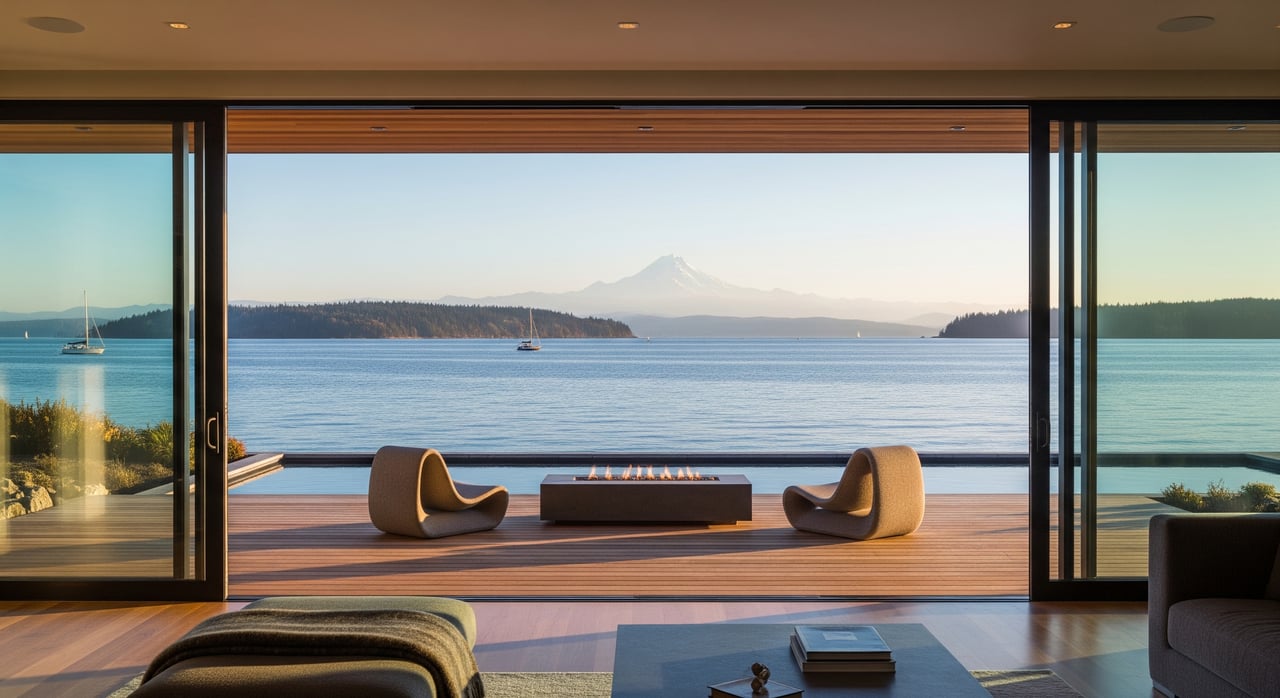
Outdoor access is a core part of life here. Mount Baker, about an hour east, offers skiing, snowboarding, and alpine hiking. Larrabee State Park, Chuckanut Ridge, Lookout Mountain, and city greenways support hiking, mountain biking, and trail runs. On the water, Bellingham Bay, Squalicum Harbor, Lake Whatcom, and nearby lakes invite boating, kayaking, paddleboarding, and fishing. Weekend trips to the San Juan Islands are common.
The climate is marine‑influenced. Winters are mild and wet with frequent cloud cover, while summers are cool and relatively dry with comfortable temperatures. Heavy snow in the city is infrequent, but mountain snowfall can be significant and may affect travel. If you’re buying, the damp climate places a premium on roofing, siding, drainage, and ventilation. Moisture control in crawlspaces and basements, plus good gutter management, is essential.
Buyer insights and due diligence
A smooth purchase in Bellingham starts with clear priorities and a focused checklist.
- Match lifestyle to location. For walkability and nightlife, consider downtown or Fairhaven. If you want short drives and suburban convenience, look at South Hill or Barkley Village. If marine access matters, explore waterfront areas and Squalicum Harbor.
- Clarify your entry strategy. Condos and townhomes can be budget‑friendly steps into the market. Well‑located fixer‑uppers may offer value if you have renovation bandwidth.
- Inspect for climate‑related issues. Ask your inspector to emphasize roofing, drainage, ventilation, and foundation conditions. Older homes may have limited insulation and, in some cases, unreinforced masonry or older foundations.
- Verify utilities and zoning. Most city homes connect to municipal sewer, but fringe or unincorporated areas may rely on septic systems and wells. Review city planning maps for zoning, ADU allowances, shoreline overlays, and any floodplain considerations.
- Plan for commute realities. If you expect frequent trips to Canada or to the Seattle area, factor in border wait times and I‑5 traffic variability. Align your neighborhood choice with your travel patterns.
- Note seasonal dynamics. University schedules and summer tourism affect some blocks more than others. Visit at different times of day and season to understand noise, parking, and traffic.
Is Bellingham a fit for you?
Bellingham offers a balanced lifestyle: ocean and mountain access, a lively yet manageable city center, and a housing mix that ranges from historic character to newer infill. You’ll trade some big‑city intensity for a more relaxed pace, with university energy and steady amenities. The key is aligning neighborhood, home type, and daily routines with your long‑term plans.
If you want local guidance from search to closing, including inspections, contractor coordination, and neighborhood insights, reach out to the Flannery Group. We combine boutique, owner‑led service with data‑driven advice so you can move forward with confidence.
FAQs
Is Bellingham more affordable than Seattle for homebuyers?
- Housing costs in Bellingham are generally below many parts of the Seattle metro but above the national average, with affordability shaped by inventory and demand.
What commute options will I have if I work in Seattle or Vancouver, BC?
- You can drive via I‑5, use Amtrak Cascades from Fairhaven for some trips, or fly regionally from Bellingham International Airport; cross‑border drives can face variable wait times.
What home styles are common in Bellingham neighborhoods?
- You’ll find Craftsman and early‑20th‑century homes near the core, mid‑century and ranch styles in several districts, and newer condos and infill near downtown and growth corridors.
How does Western Washington University affect the local housing market?
- WWU adds a significant student rental segment and seasonal population shifts, which can influence rental availability, lease cycles, and activity near campus and downtown.
What inspection issues should I watch for in Bellingham’s climate?
- Focus on roofing, guttering, drainage, ventilation, and moisture management; older homes may also need attention to insulation, foundations, or unreinforced masonry.
Which neighborhoods fit walkable living versus suburban convenience?
- Consider downtown or Fairhaven for walkability and nightlife; look to South Hill or Barkley Village for easy parking and suburban shopping; explore waterfront areas for marine access.